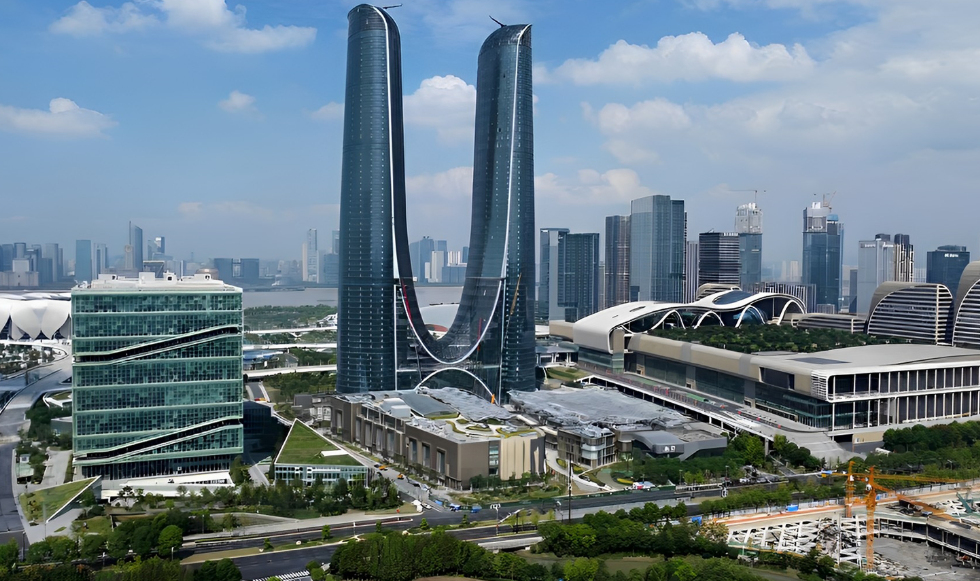
Chinese curtain walls excel in high cost-effectiveness, rapid delivery capability and complex curved-surface processing technology. German curtain walls are renowned for precise engineering design, rigorous quality standards, and strong thermal insulation and energy-saving performance. In recent years, Chinese curtain wall companies have significantly improved their competitiveness in the high-end market, competing successfully with German companies and winning bids for world-class projects.
The comparison should therefore be positioned commercially: where a project needs high performance, high customisation and rapid delivery without paying a system-house premium, Chinese facade systems are a highly credible route. Where the project is driven primarily by standardised Passive House certification or a tightly prescribed German system specification, German systems remain a recognised benchmark.
Comparison overview: At-a-glance decision matrix
| Decision area | Chinese curtain wall systems | German / Schüco systems |
|---|---|---|
| Commercial position | Generally more competitively priced than similar German products because of a complete industrial chain and large-scale production advantages. | Significantly more expensive, driven by higher raw material costs, labour costs and certification fees. |
| Market momentum | China rain shield / rainscreen cladding is projected to grow annually at 10.4% CAGR to US$5.6bn by 2030; glass curtain wall CAGR reaches 10.5%. | German growth is around 4.6% in cladding and around 4.5% in glass curtain wall, reflecting a mature and slower-growing market. |
| System concept | Usually bespoke / customised around the specific project, giving strong flexibility for complex briefs, landmark buildings and non-standard geometry. | Schüco and similar system houses emphasise finished, rigorously tested and highly integrated standardised systems such as Schüco FWS 50, FWS 60 and FWS 35 PD (Panorama Design), however these can often lack flexibility for unique design. |
| Structural route | Extensive use of factory-prefabricated unitised curtain walls in super high-rise buildings, with installation speeds up to three times faster than frame-type curtain walls. | Schüco and similar component-type / frame-type curtain wall systems, offering flexible on-site assembly, but are limited to system options and specifications. |
| Performance focus | Originally focused on cost and basic safety, now matching German / European insulation, acoustic, and airtightness performance while leading on energy conservation and developing BIPV integration. | Pursues balanced high performance in insulation, soundproofing, airtightness and Passive House certification. |
| Appearance style | Initially favoured high-reflectivity glass, now shifting towards more diverse design expression and material effects. | Known for ultra-narrow bezels, minimalist aesthetics, visual transparency and facade purity. |
| Delivery behaviour | Fast delivery, prompt client response and strict management processes support programme-sensitive projects. | Strong standardisation and component versatility support warehousing, repeatability and maintenance, but can be less flexible for rapid customisation. |
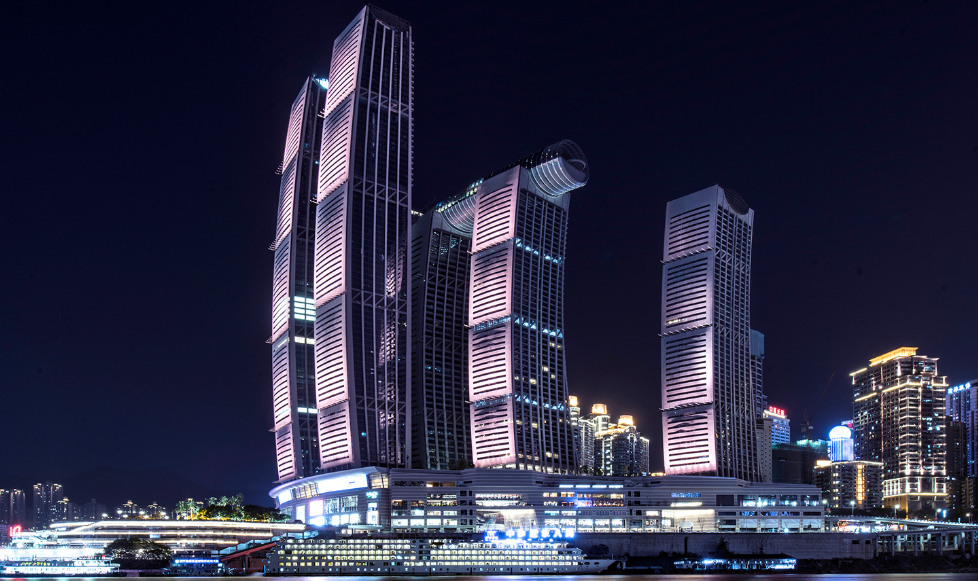
RAPIDLY EVOLVING MARKET
The first advantage to stress is cost-effectiveness. Chinese curtain wall systems are generally more competitively priced than similar German products, mainly because China benefits from a complete industrial chain, mature manufacturing capacity and large-scale production advantages.
Ultra-clear glass illustrates the point: it is about 15% more expensive than ordinary glass, yet still offers a significant price advantage compared with European products while providing superior safety performance. This allows Optimo to position Chinese products not simply as lower-cost, but as higher-value: better performance and safety at a more competitive package cost.
Market growth also supports the commercial case. China's rain shield / rainscreen cladding market is projected to grow at a compound annual growth rate of 10.4%, reaching US$5.6 billion by 2030. Germany's growth rate in the same period is around 4.6%. The glass curtain wall market shows a similar pattern, with China reaching 10.5% CAGR, far exceeding Germany's 4.5%.
Chinese technology: Complex geometry and intelligent manufacturing
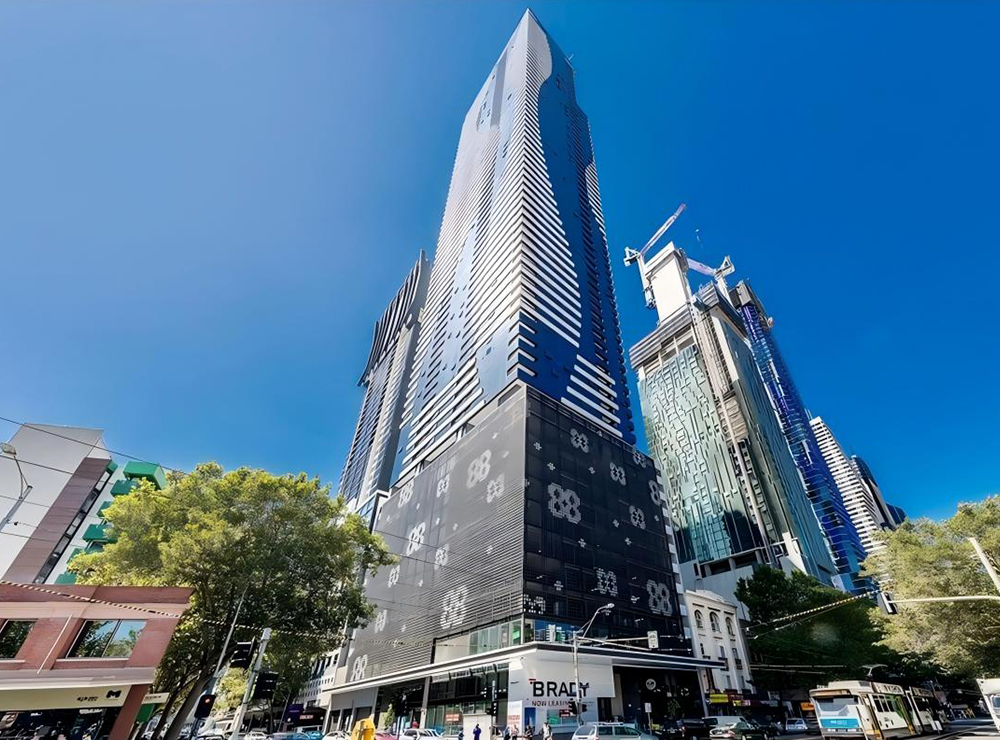
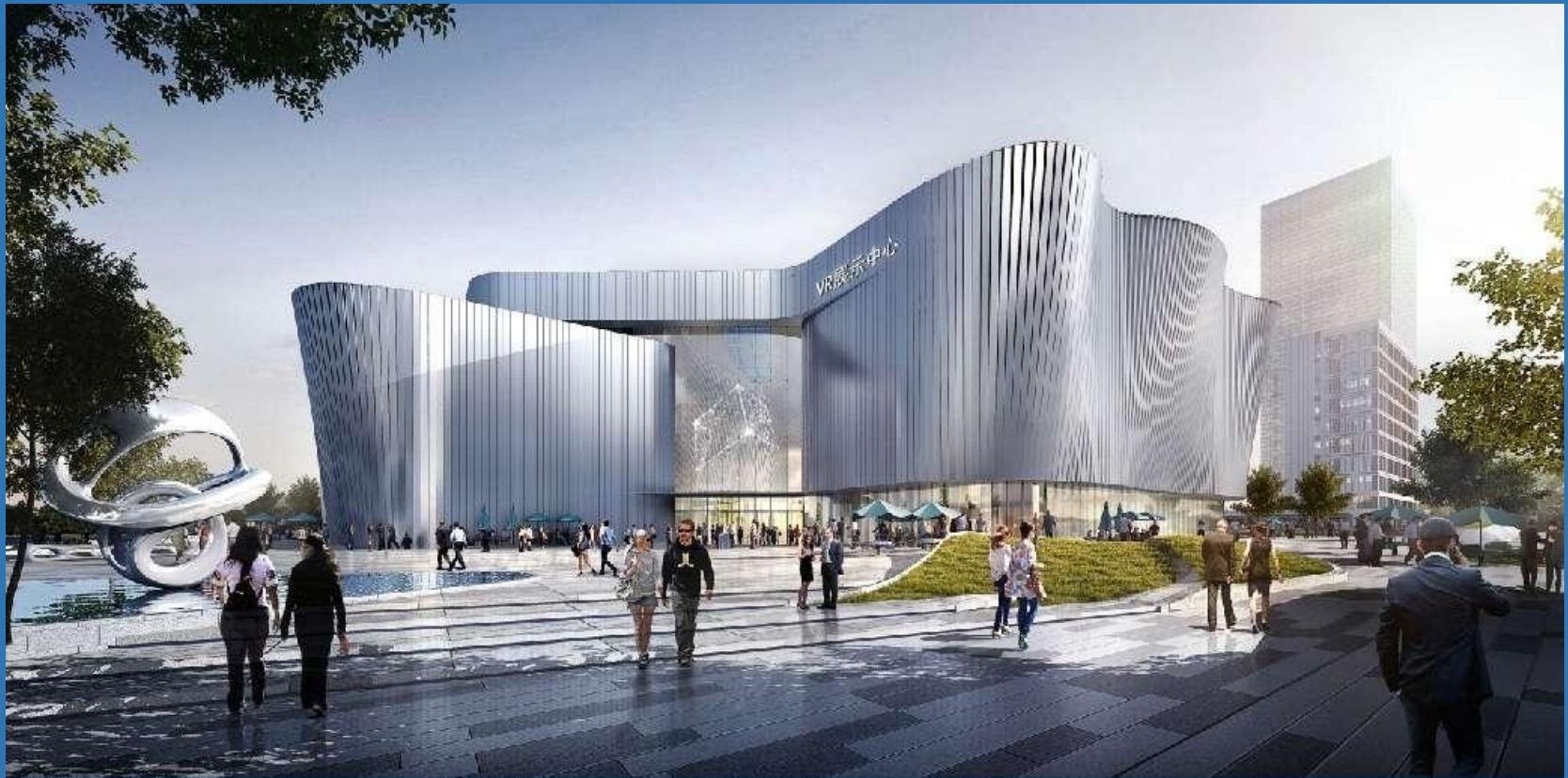
Chinese companies have achieved major breakthroughs in one of the most challenging areas of facade engineering: hyperboloid and double-curved curtain wall construction. This is a decisive point for landmark projects where the envelope is central to the architecture.
| Reference / capability | Detail |
|---|---|
| Shenzhen OPPO International Headquarters Building | The project features a curved curtain wall that accounts for 83% of the structure. The maximum warpage is 417 mm, and the minimum bending radius for the unitised glass curtain wall is only 400 mm. |
| Global benchmark positioning | This level of hyperboloid curtain wall capability is described as the global “ceiling” of hyperboloid curtain wall technology. |
| International competitiveness | The capability enabled Chinese companies to win international bids against German and Italian companies. |
The second major technology message is intelligent and digital manufacturing. Leading Chinese curtain wall companies have established intelligent manufacturing production bases with 15 intelligent production lines, delivering fully automated operation from glass cutting to moulding.
By using aerospace-grade precision machining technology and digital twin technology, these production bases have reduced labour requirements by 70% and more than doubled production capacity. Parametric design methods have shortened the design cycle from three years to one year. The marketing point is clear: Chinese systems combine price advantage with digitised engineering discipline and speed.
Chinese technology: BIPV, supertall-building experience and enhanced safety
China is at the forefront of the photovoltaic curtain wall field. The Building Integrated Photovoltaics (BIPV) message should be prominent because it connects facade procurement with ESG, operational energy and carbon-reduction objectives.
| BIPV feature | Detail |
|---|---|
| LIGHT series lightweight photovoltaic modules | Independently developed lightweight modules with a total power-generation area of 445 square metres. |
| Carbon outcome | Annual carbon-emission reduction reaches 15.98 tons. |
| Performance and weight | Coloured modules achieve 18% power-generation efficiency and weigh as little as 15.7 kg/m². |
| Architectural flexibility | The modules can present various appearance styles, including stone and aluminium panel effects. |
| Facade integration message | The products can be organically integrated with the building envelope to create “beautiful exterior walls that generate electricity”. |
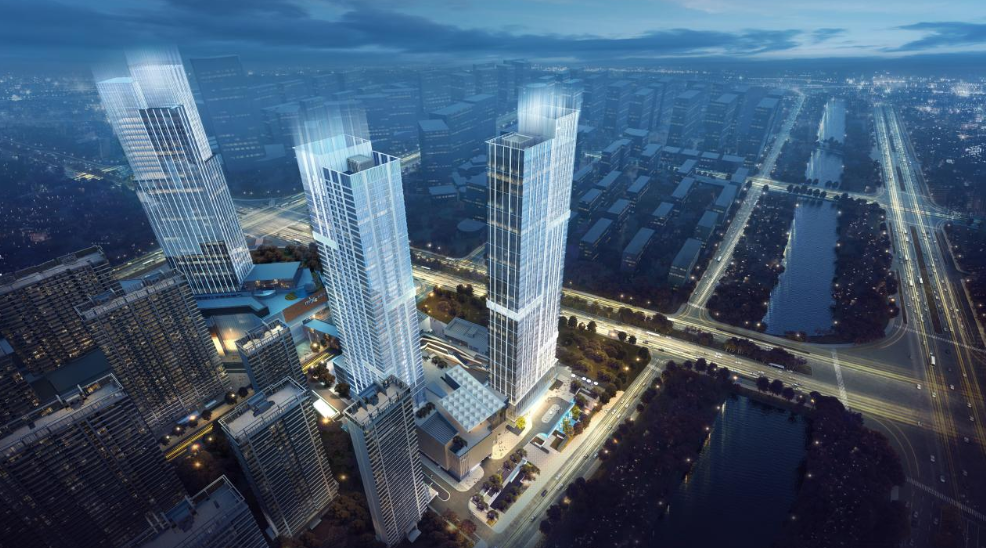
Chinese curtain wall companies have also accumulated unique technical advantages in supertall buildings. The Burj Khalifa in Dubai, at 828 metres, demonstrates the capability: Chinese companies conducted over 40 wind tunnel tests based on a 50-year return-period wind standard, then developed a curtain wall system capable of withstanding strong desert winds and adapting to a 1.4-metre displacement at the top of the tower.
Safety technology is another Chinese strength to emphasise. Ultra-clear glass has extremely low iron content, with magnetic susceptibility controlled below 0.1%. This is far lower than the 0.3%–0.8% range of ordinary tempered glass, significantly reducing the risk of spontaneous breakage.
German strengths: What German systems are known for
German curtain wall systems continue to be recognised for technical maturity, component-led designs, standards, performance integration and refined system design. These strengths are important to acknowledge for a credible comparison. Within the typical system-house reference sets, Schüco FWS 50 is the 50 mm workhorse, FWS 60 is the 60 mm heavy-duty route, and FWS 35 PD (Panorama Design) is the 35 mm minimalist option; wider European references include Reynaers CW 50/CW 60, Kawneer/Arconic 1600 Wall System, Wicona Wictec, Technal Geode, Aluprof MB-SR50N, AluK SL50, Raico THERM+, Cortizo, Smart Systems Smart Wall and Senior Architectural Systems SF52.
| German strength | Detail |
|---|---|
| Testing and certification system | Germany traditionally possesses one of the world's most comprehensive curtain wall testing standards systems through EN standards, covering airtightness, watertightness, wind-pressure resistance and other performance areas. |
| CE compliance | German curtain wall products must pass strict CE certification to ensure compliance with mandatory EU standards. |
| Passive House technology | Germany is a world leader in ultra-low-energy buildings. Curtain wall systems from German brands such as Jansen have received Passive House certification, achieving Uf values as low as 0.51 W/m²K and sound-insulation performance of Rw 47 dB. |
| VISS system flexibility | The VISS series can meet diverse design requirements through frame profiles of varying depths and reinforcement measures. The system has a high degree of standardisation, strong component versatility and supports warehousing management and subsequent maintenance. |
| Functional integration | German systems integrate thermal insulation, noise reduction, fire protection and burglar protection. VISS Fire can meet fire-resistance levels from E30 to E190, and RC4-level burglar-proof curtain walls provide high building protection. |
| Double-layer curtain wall maturity | Germany is the birthplace and main application area of double-layer glass curtain wall technology. |
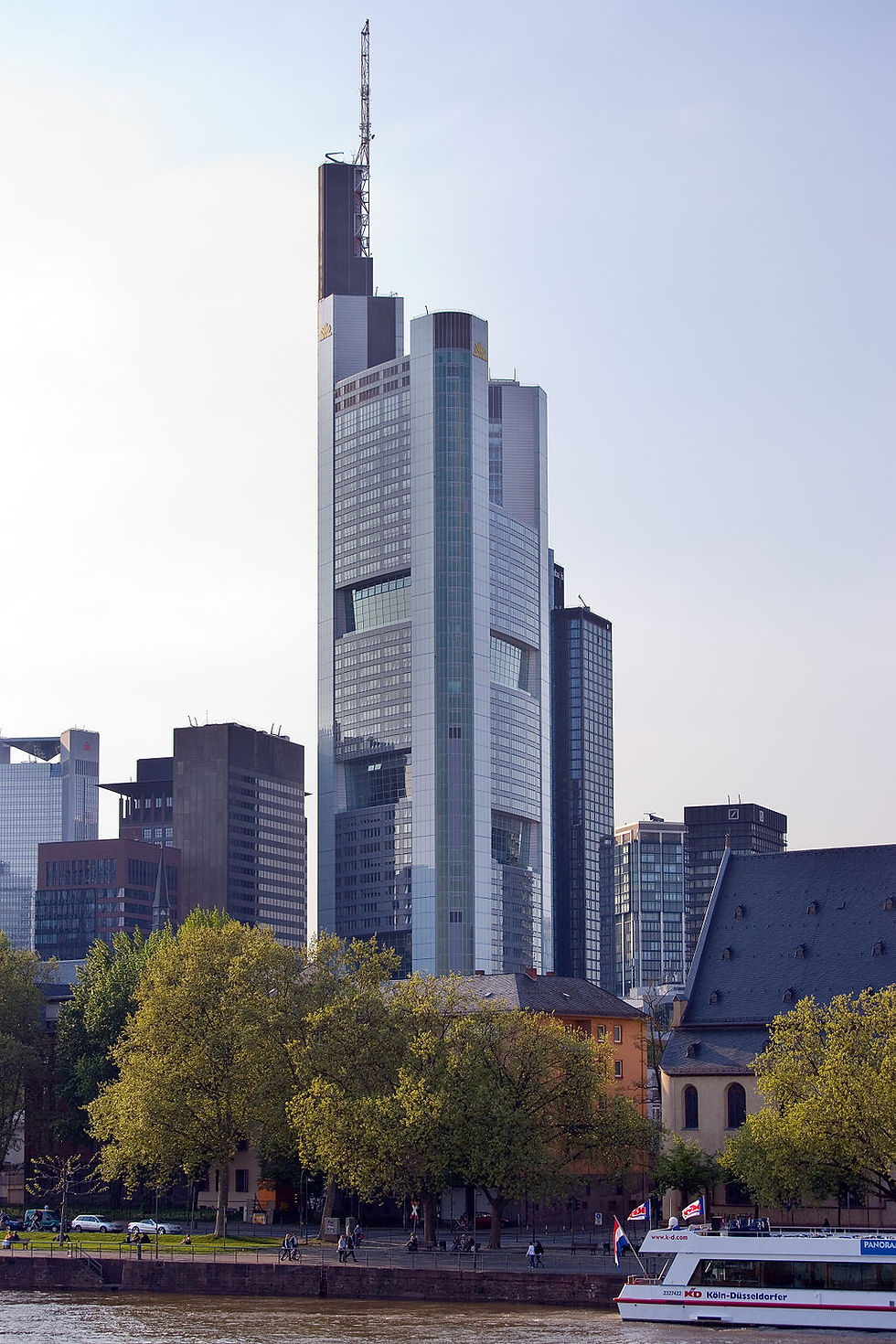
Two project references demonstrate German double-layer facade maturity. The Commerzbank Tower in Frankfurt, completed in 1997 and described as the world's first “eco-skyscraper”, uses a double-layer curtain wall system that enables natural ventilation and passive solar heating, saving 25%–30% more energy than typical German office buildings. The Max Planck Society headquarters achieves a comfortable indoor environment in Munich's cold climate through a 1.25-metre-wide cavity design.
German limitations: Cost, flexibility and market-growth constraints
The principal disadvantage of German curtain wall systems is higher cost. The source comparison attributes this to higher raw material costs, labour costs and certification fees. For Optimo clients, this can create a procurement challenge where the project needs strong performance but cannot absorb a system-house premium.
- Higher cost
German systems are significantly more expensive than Chinese products, driven by material, labour and certification costs.
- Reduced flexibility
Standardised designs can be relatively rigid when responding to rapidly changing market demands and personalised customisation requirements.
- Slower market growth
In mature European markets, the German curtain wall market grows at about 4.5%, far below China's growth rate of more than 10%.
Core differences: Chinese systems versus Schüco-style system-house routes
| Area | Chinese systems | Schüco / German system-house route |
|---|---|---|
| System concept | Mostly customised for specific projects, allowing the facade package to be engineered around unusual geometry, programme pressure and cost targets. | Emphasises finished systems, providing rigorously tested, highly integrated standardised products such as Schüco FWS 50, FWS 60 and FWS 35 PD (Panorama Design). |
| Structural design | Extensive use of unitised curtain walls in super high-rise buildings, with factory-prefabricated units and installation speeds up to three times faster than frame-type curtain walls. | Excels in component-type / frame-type curtain walls, offering flexible on-site assembly. |
| Performance focus | Initially focused on cost and basic safety, now vigorously pursuing energy conservation and BIPV development. | Pursues ultimate balance across insulation, soundproofing, airtightness and Passive House certification. |
| Appearance style | Earlier preference for high-reflectivity glass is shifting toward greater diversity and more design options. | Pursues ultra-narrow bezels, minimalist aesthetics, visual transparency and purity of the building facade. |
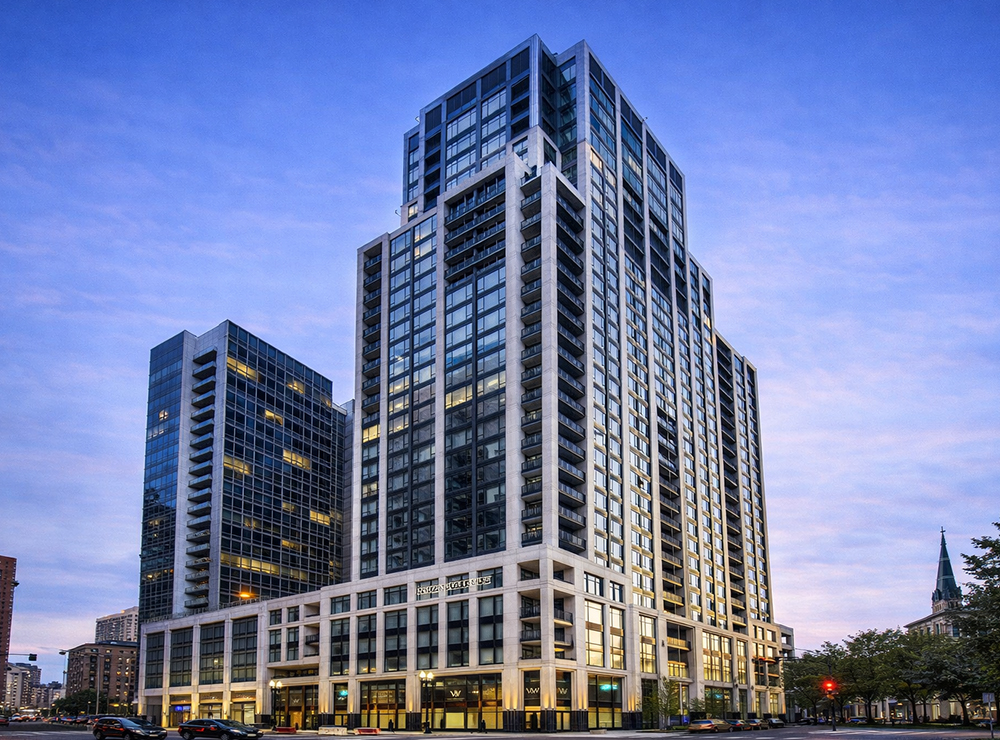
Strengths and limitations: Detailed system analysis
| System route | Advantages | Limitations / considerations |
|---|---|---|
| Chinese curtain wall systems | High cost-effectiveness from a mature industrial chain, relatively low material and labour costs, efficient unitised construction, rapid super high-rise installation, BIPV innovation and fast technological integration. Performance-matching in thermal insulation (K-value), sound insulation, water tightness and air tightness. Demonstration projects include the Beijing Zhonghai Financial Center for Building Integrated Photovoltaics. | Standards systems draw on European standards and match performance standards of proven systems. Chinese systems are continually being improved at a faster rate than German and European systems and include innovative technologies such as integrated photovoltaics. |
| Schüco systems | Track record performance in thermal insulation (K-value), sound insulation, water tightness and air tightness. Mature Passive House technology, excellent component matching, long-term stability and durability. Narrow-frame design is at the industry's top level and is suitable for landmark buildings. Representative Schüco stick-system references include FWS 50, FWS 60 and FWS 35 PD (Panorama Design). | Product and technical-service fees are high and far exceed ordinary domestic systems. Standardised system logic can be less flexible where the project requires rapid customisation or unusual geometry. |
The key takeaway is one of balance: German systems should be respected for component-led specification, mature certification, and high-performance system engineering. Chinese systems offer a broader value proposition for the same or improved performance for many projects because they combine competitive cost, rapid delivery, complex geometry, digital production and BIPV innovation.
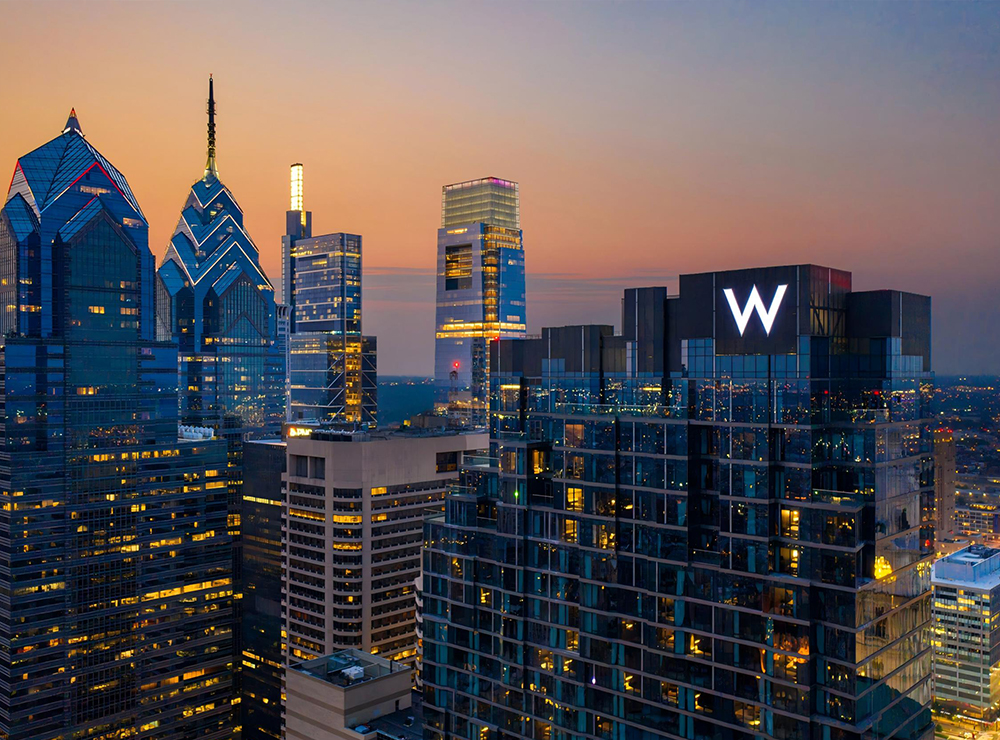
Chinese Advantages
- 01 Lower price level
Chinese curtain wall systems offer high cost-effectiveness (up to 30% cost savings) helping clients reduce facade package cost while matching or surpassing traditional German and European systems in technical performance.
- 02 Faster market growth
China's market growth rate is over 10%, while the German reference range is around 4%–5%, indicating a mature but slower-growth European market.
- 03 World-leading curved surfaces
Chinese companies have broken through hyperbolic and double-curved facade technology bottlenecks, combining solid technology with reasonable pricing.
- 04 Intelligent manufacturing
A high degree of digitalisation and automation supports quality consistency, labour reduction, production capacity and faster design cycles.
- 05 Energy-saving technology
Chinese systems are featured in BIPV. German systems lead in Passive House technology and double-layer curtain walls, which can also inform hybrid specifications.
- 06 Standards development
Chinese systems draw on European standards and are currently improving. German systems remain a global standard-setting reference with a mature standards framework.
- 07 Super high-rise experience
Chinese facade companies have extensive experience in international super high-rise projects and solid technical expertise.
- 08 Functional integration
Chinese systems are expanding from basic functions into comprehensive integration of fireproofing, security and sound-insulation requirements.
- 09 Delivery cycle
Fast delivery, prompt client response and strict management processes make the Chinese route attractive for programme-sensitive packages.
- 10 BIPV TECHNOLOGY
China is the world leader in technology for BIPV (building-Integrated Photovoltaics) into building facades.
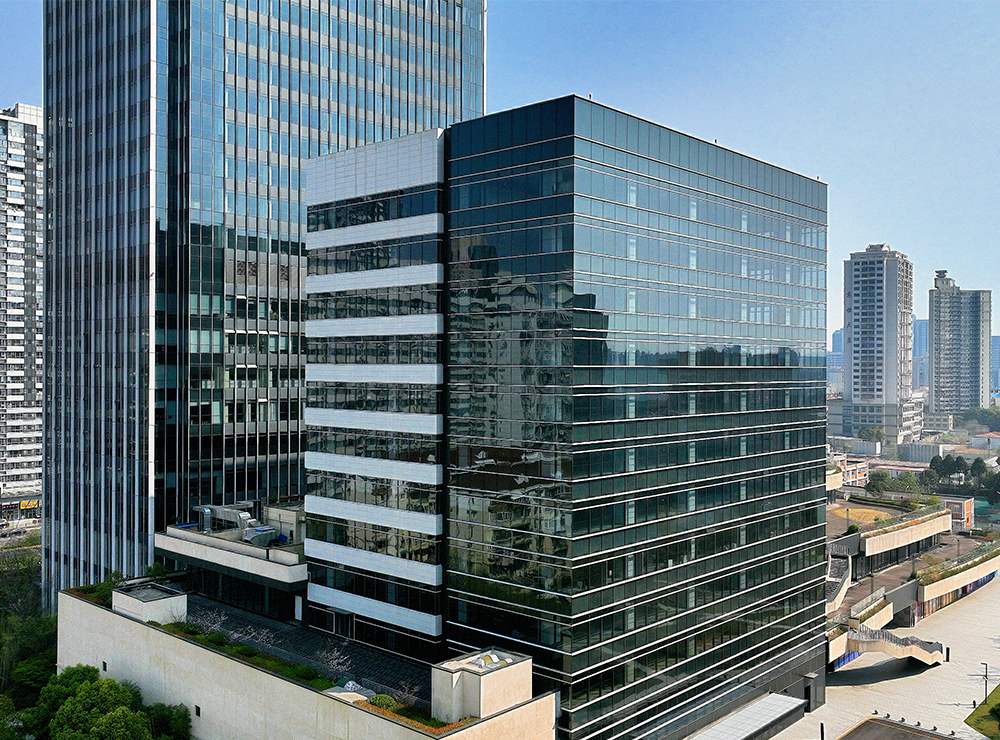
Selection guidance: When each system route is likely to fit best
| Project requirement | Recommended emphasis |
|---|---|
| High cost-effectiveness | Chinese curtain wall systems have the greater advantage, particularly where large facade areas and value engineering are important. |
| Complex design or curved facade geometry | Chinese systems should be strongly considered because of demonstrated hyperboloid and complex curved-surface processing capability. |
| Rapid delivery and programme pressure | Chinese unitised systems and manufacturing scale can shorten site installation and improve responsiveness. |
| Large landmark or super high-rise projects | Chinese companies have demonstrated capability in world-class and supertall projects, including high wind-load and large-displacement scenarios. |
| Strict Passive House or German system specification | German systems remain attractive where a client specifically requires a standardised system-house package and mature Passive House certification route. |
| Balanced international approach | Some projects adopt a “German core system + Chinese manufacturing integration” model, balancing the advantages and costs of both parties. |
The Optimo system recommendation is always project-specific: review the architectural intent, performance targets, procurement constraints, certification route and programme, then identify whether a Chinese engineered system, a German system-house route or a combined “German core + Chinese manufacturing integration” model gives the client the best balance of value, performance and risk control.