
The developer case in six points

- Speed
Shorter programmes and faster route to handover.
- Time Efficiency
Earlier rent, sales completion or operational use.
- Factory Quality
Tighter tolerances, protected materials and traceable inspection.
- Risk Reduction
Less weather exposure, less on-site uncertainty and fewer late-stage clashes.
- Cost Certainty
Prices locked, fewer surprises, reduced prelim pressure and lower rework risk.
- Sustainability
Reduced waste, cleaner sites and better support for whole-life performance goals.
Why modular improves commercial performance
Traditional programmes often leave developers exposed to weather delays, labour variability, site congestion and coordination issues between multiple trades. Precision-engineered modular construction reduces that exposure by manufacturing major building elements off site while enabling site activities to progress in parallel. The result is a shorter, more predictable delivery programme that can improve financing efficiency and bring income-generating space online sooner.
Earlier occupation is one of the clearest commercial benefits. Whether the project is intended for sale, rent, healthcare, education or owner occupation, faster completion can accelerate the moment at which capital expenditure starts producing value.
Cost certainty, cost savings and reduced risk
Modular does not simply aim to cut cost in isolation. Its real strength is the combination of cost certainty, programme compression and risk reduction. Earlier coordination helps remove ambiguity before manufacture begins. Shorter site programmes reduce prelims and disruption. Better factory control lowers rework risk. Together, these factors can protect developer margin and improve overall project economics.
Compliance, NHBC and Building Regulations
Modular buildings are designed to meet the same UK Building Regulations framework as traditional buildings. Fire, structure, energy, acoustics and other performance requirements still apply. For residential applications, modular systems can support recognised NHBC review routes for innovative systems and prefabricated building units, subject to the design, specification and approval pathway used on the project.
Modular buildings are ISO14001 Certified, BREEAM accreditable, and where required meet Healthcare HTM/HBN Regulations or Educational DfE & EFA Frameworks.
Our modular buildings are internationally accredited, and also hold specific certification for EU, USA, UK, Malaysia, and many more countries internationally.
BREEAM, sustainability and lower waste
For developers pursuing stronger sustainability outcomes, modular construction can support BREEAM objectives by improving resource efficiency, reducing waste and lowering the environmental impact of site activity. Factory manufacture enables better material optimisation, cleaner logistics and fewer site deliveries, while modular design can also support adaptation, relocation or reuse in suitable scenarios.

Why quality improves in a factory setting
Factory production allows repeatable processes, tighter tolerances and quality checks throughout manufacture. Modules can be assembled in controlled conditions, away from rain, mud and day-to-day site disruption. Services, finishes and interfaces can be coordinated in advance, reducing workmanship variability and the risk of snagging at the end of the job.
This approach also supports ISO-led quality management, including documented inspection and traceability. For developers, that means better evidence of process control and greater confidence in final asset quality.
Health and safety advantages
Moving more work into a factory means fewer people, fewer interfaces and less congestion on site. It also reduces exposure to common hazards such as working at height, manual handling and bad weather. On constrained or occupied sites, that safer and shorter installation period can be a major delivery advantage.
The market direction
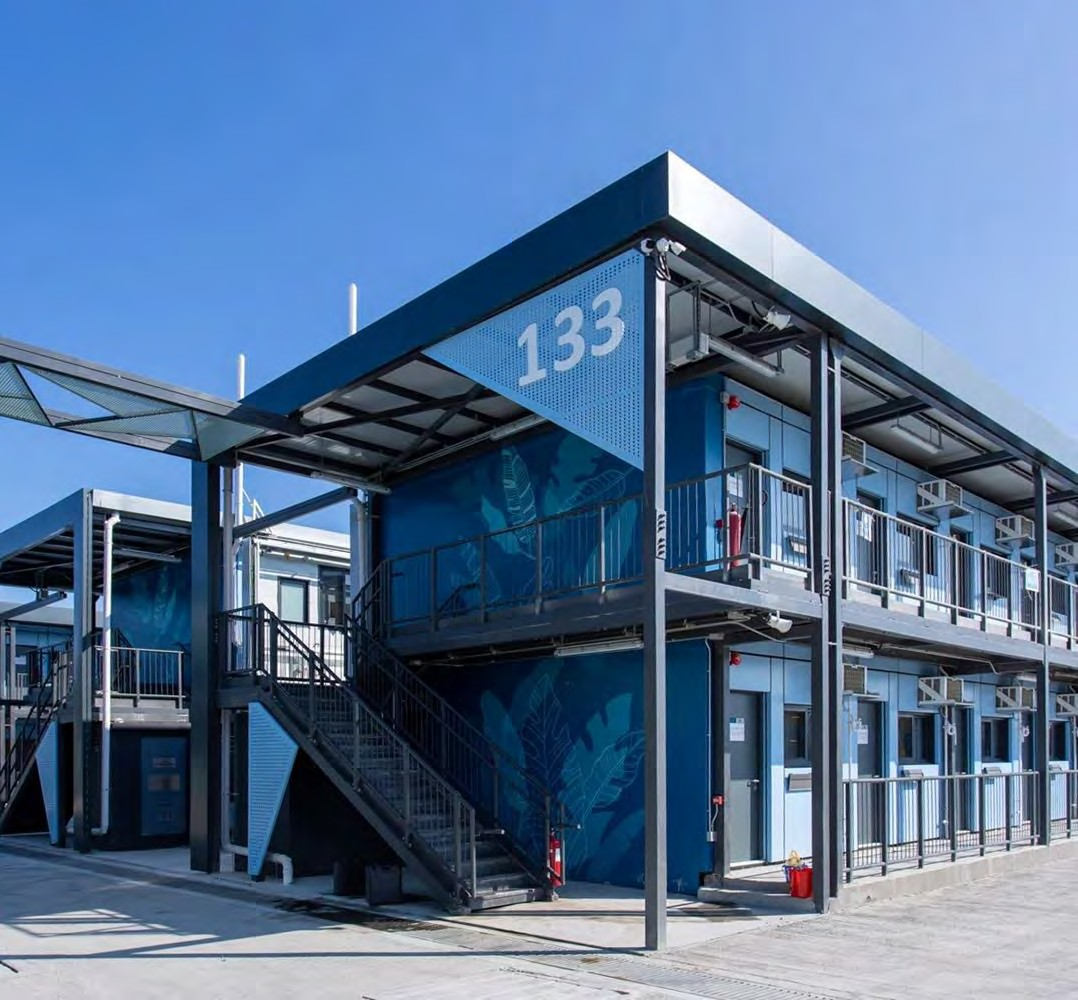
Modern methods of construction are increasingly embedded in UK guidance and public sector procurement thinking. Government guidance has supported greater use of MMC, while warranty and technical frameworks have continued to evolve. That growing institutional support gives developers more confidence that modular is a credible, insurable and increasingly mainstream delivery route.
Landmark Projects by leading Developers in London, UK
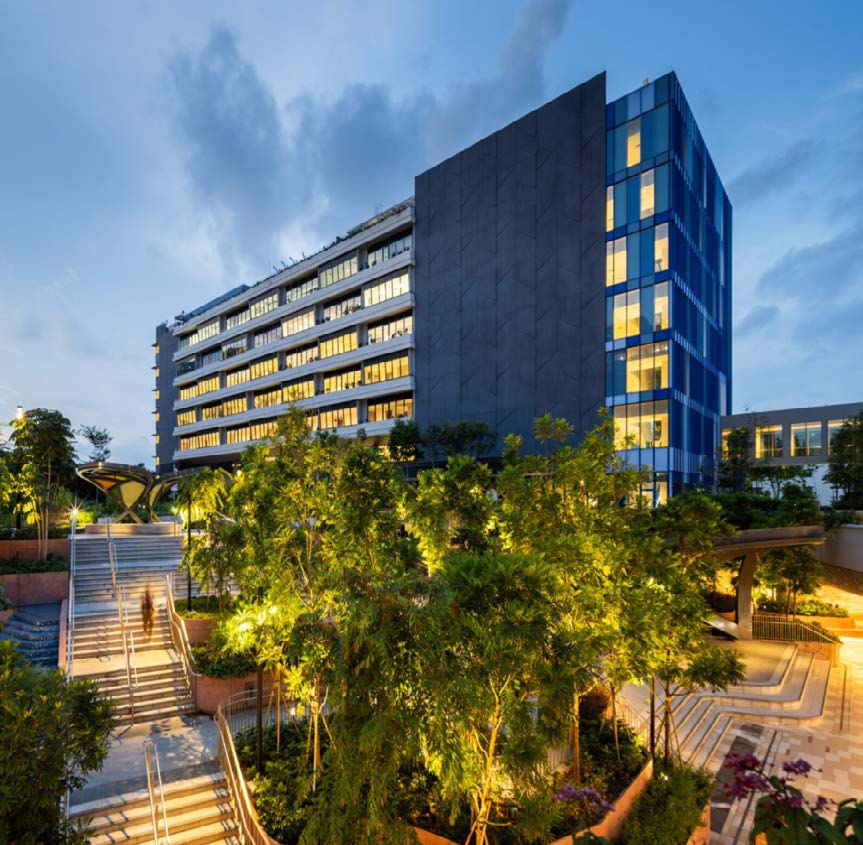
The following selected projects demonstrate how London's top property developers are succeeding through the flexibility and success of modular construction.
Ten Degrees BTR by Greystar
Developer / operator: Greystar + Henderson Park
Delivery: Tide Construction / Vision Modular Systems
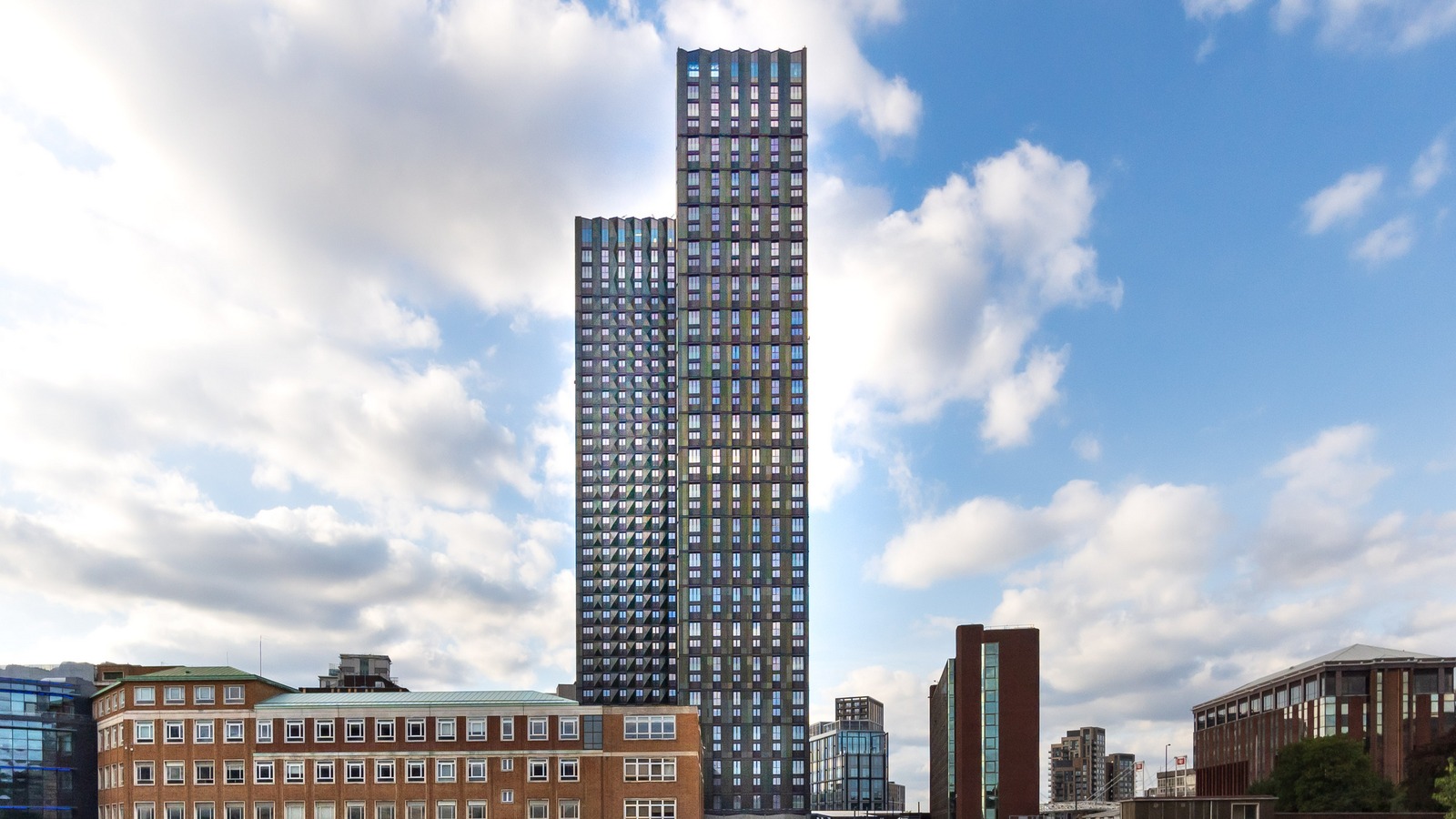
A landmark urban BTR scheme showing that modular can scale to premium high-rise residential delivery.
- Greystar launched the scheme as a c. 550-apartment residential development.
- Two modular towers of 38 and 44 storeys; 135m high on completion.
- Greystar said the modular strategy targeted a 24-month build and up to 80% less waste.
College Road Co-Living by Blackstone
Developer: Tide
Partners: Outpost, Oaktree, Blackstone
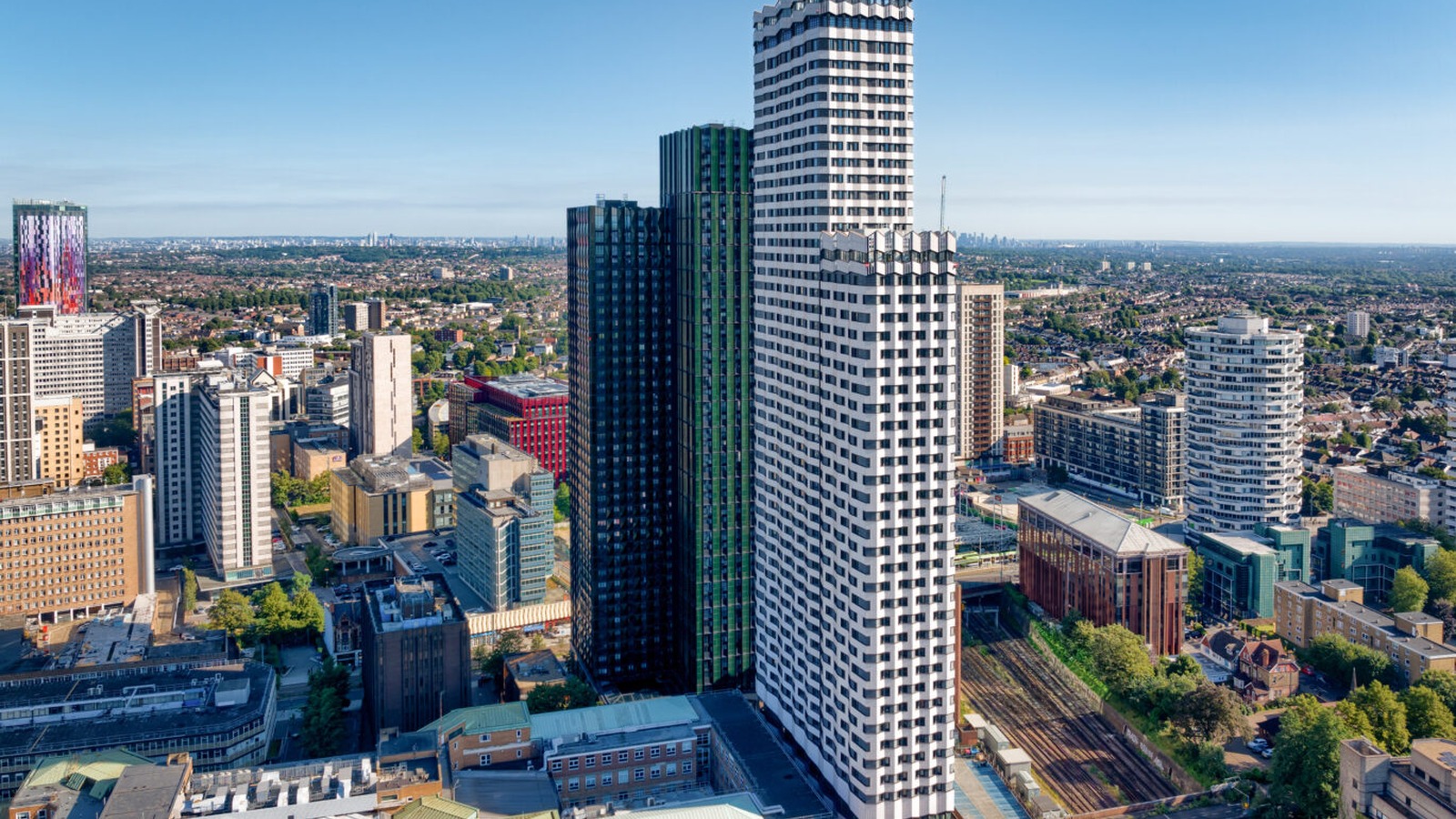
A world-leading modular scheme proving that volumetric delivery can unlock density, speed and placemaking at city scale.
- 817 co-living homes plus 120 affordable homes.
- 163m tall, with 50- and 35-storey towers.
- 1,725 units installed in 40 weeks; 28-month programme; BREEAM Excellent.
CitizenM Hotel, Tower of London
Developer: citizenM
Delivery: VBC / Balfour Beatty
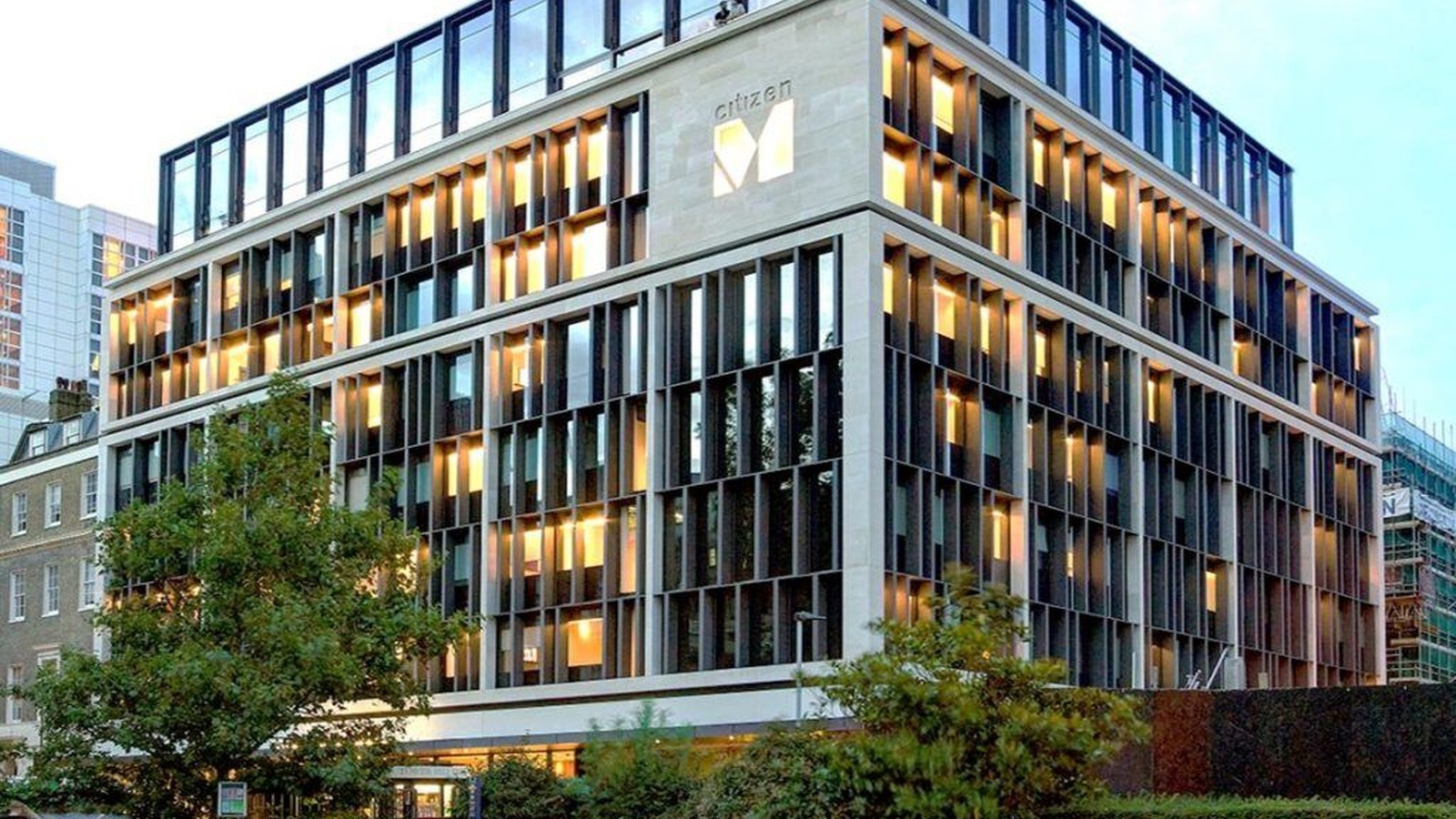
A respected hotel brand using modular to accelerate delivery on a constrained, heritage-sensitive central London site.
- 370-room BREEAM-certified hotel at Tower Hill.
- 11-week module set and an estimated 6 months saved vs traditional construction.
- Built over Tower Hill station, with night working to reduce disruption.